


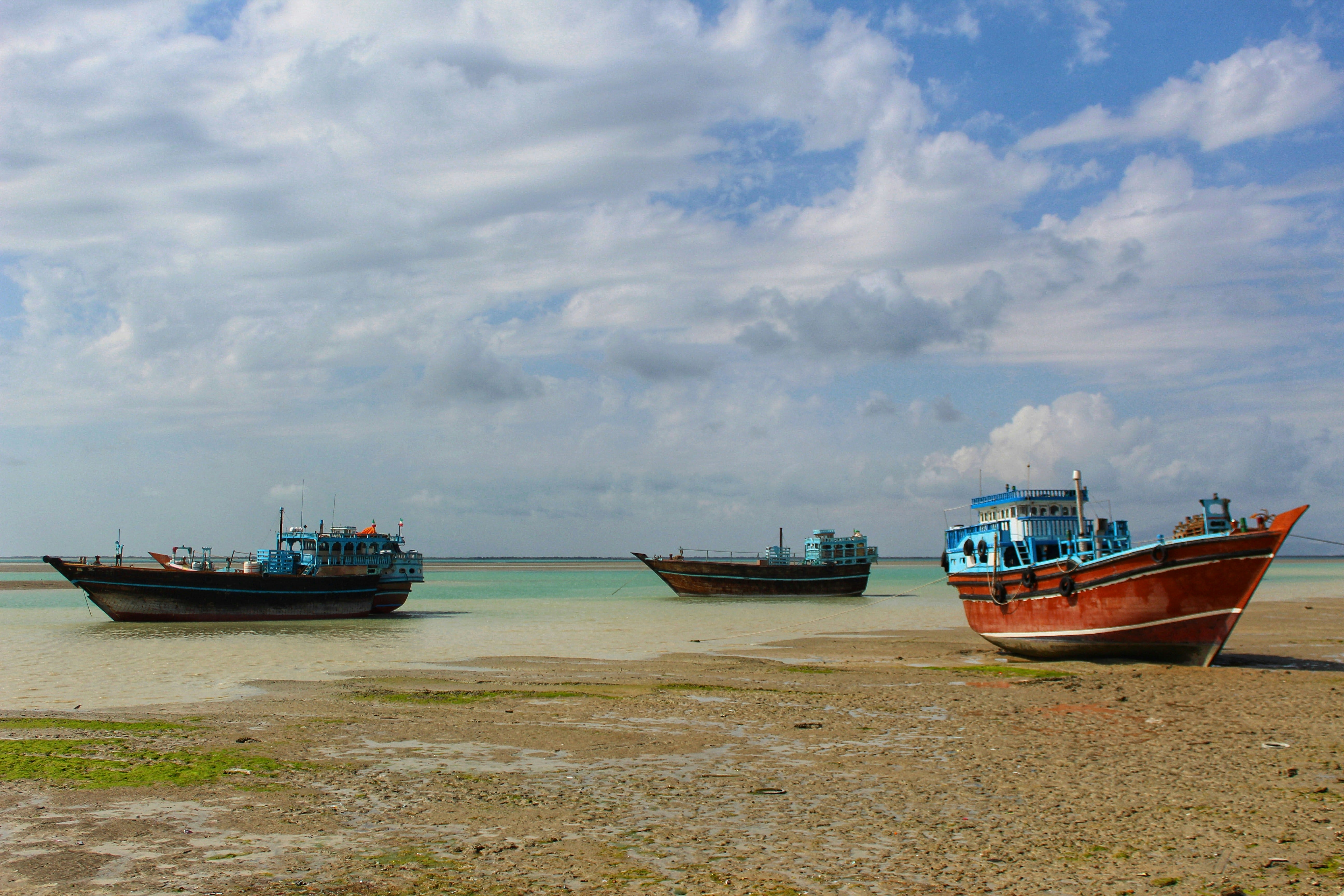
When war erupts in the Middle East, energy markets and attacks on critical infrastructure often dominate conversations outside the region. But for coastal communities along the Persian Gulf and the Gulf of Oman, the greater concern spans far beyond oil and gas prices. It’s their safety, livelihoods, food security, and the decades-long ecological fallout that follows.
As the U.S.-Israeli war on Iran escalates and casualties mount, the Persian Gulf has once again been transformed into an active warzone, specifically centered on the Strait of Hormuz, where the U.S. has struck Iranian vessels laying mines. While this narrow corridor is widely talked about as a global energy chokepoint — handling 20% of the world’s oil and liquified natural gas — it is far more than a transit point for commodities. These same waters nurture sprawling mangrove forests, fragile coral reefs, and wetlands that serve as critical ecosystems for many species and coastal communities.
For those living along the south Iranian coast, in particular, “the strait is something much more personal,” said Nasir Tighsazzadeh, a doctoral student in resource and environmental management at Simon Fraser University and a fellow with Ocean Nexus. Born and raised in Isfahan, a central city in Iran, Tighsazzadeh is no stranger to Iran’s southern coast.
“It is where fishers leave the harbor before sunrise, where families have earned their living for generations, and where coastal culture has long been tied to the rhythms of the sea,” he told The Confluence.
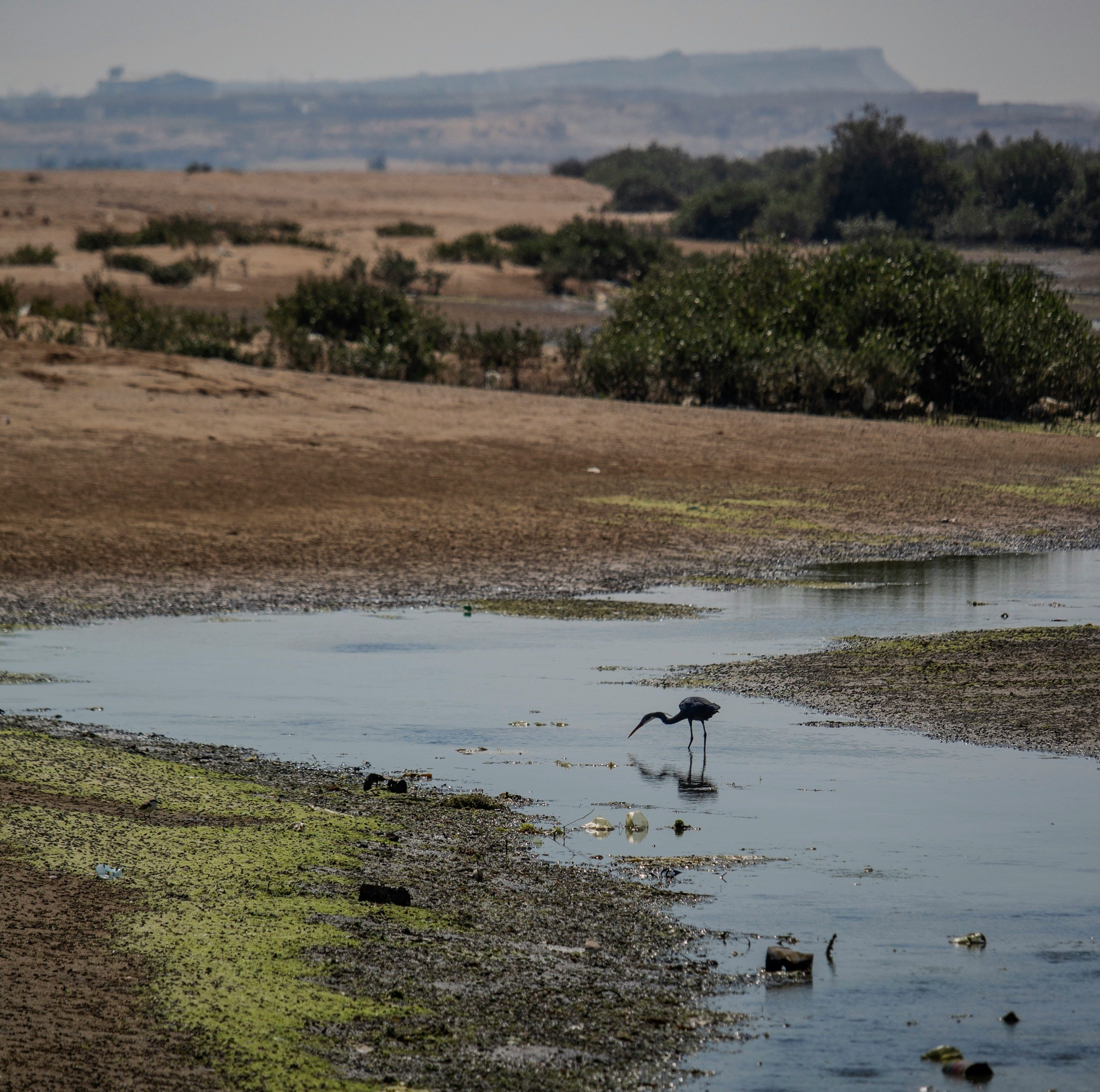
When the strait is attacked, the cascading consequences come at a huge price. The resulting contamination from toxic chemicals threatens the very biological foundations of the region. Oil spills suffocate the mangroves that act as a natural coastal defense and poison the seagrass beds essential to sea turtles, juvenile fishes, and invertebrates. Then there’s the human cost: war threatens not only immediate safety but also the fisheries and desalination infrastructure that millions in the region rely on for food and water.
In war zones, mobility is a luxury. History shows that people with means will move to save their lives, but many who lack such a capacity to escape are left behind, trapped in the crossfire as likely collateral damage of a conflict they cannot outrun. But they will do what they can, like go fishing, to survive. Hazem Almassry, postdoctoral research fellow at Academia Sinica’s Institute of European and American Studies in Taipei, says Persian Gulf communities know this script all too well.
“What’s happening in the Strait of Hormuz is not an interruption of normal life; it is normal life for communities who live there,” Almassry, who is originally from Gaza, told The Confluence. “They have always navigated between military presence and subsistence. The strait was never just an energy corridor for them. It was a workplace.”
In Hormozgan Province, Iran’s largest fishing province, fishing is baked in the fabric of the community. In the Salakh village, located south of Qeshm Island, for example, people celebrate the Fisherman’s Norooz (Norooz-e Sayyad), also known as the “new year” for fishermen, in July. During this day, people don’t fish or consume seafood to give marine species a break for reproduction, while they dance to the beat of drums and enjoy local non-seafood delicacies.
Thousands of small-scale fishers rely on these waters each day, Tighsazzadeh said. In coastal towns like Bandar Abbas, situated at the critical gateway of the Strait of Hormuz, fishing is the primary source of income for many households who navigate the waters in small, resource-strapped, family-owned vessels.
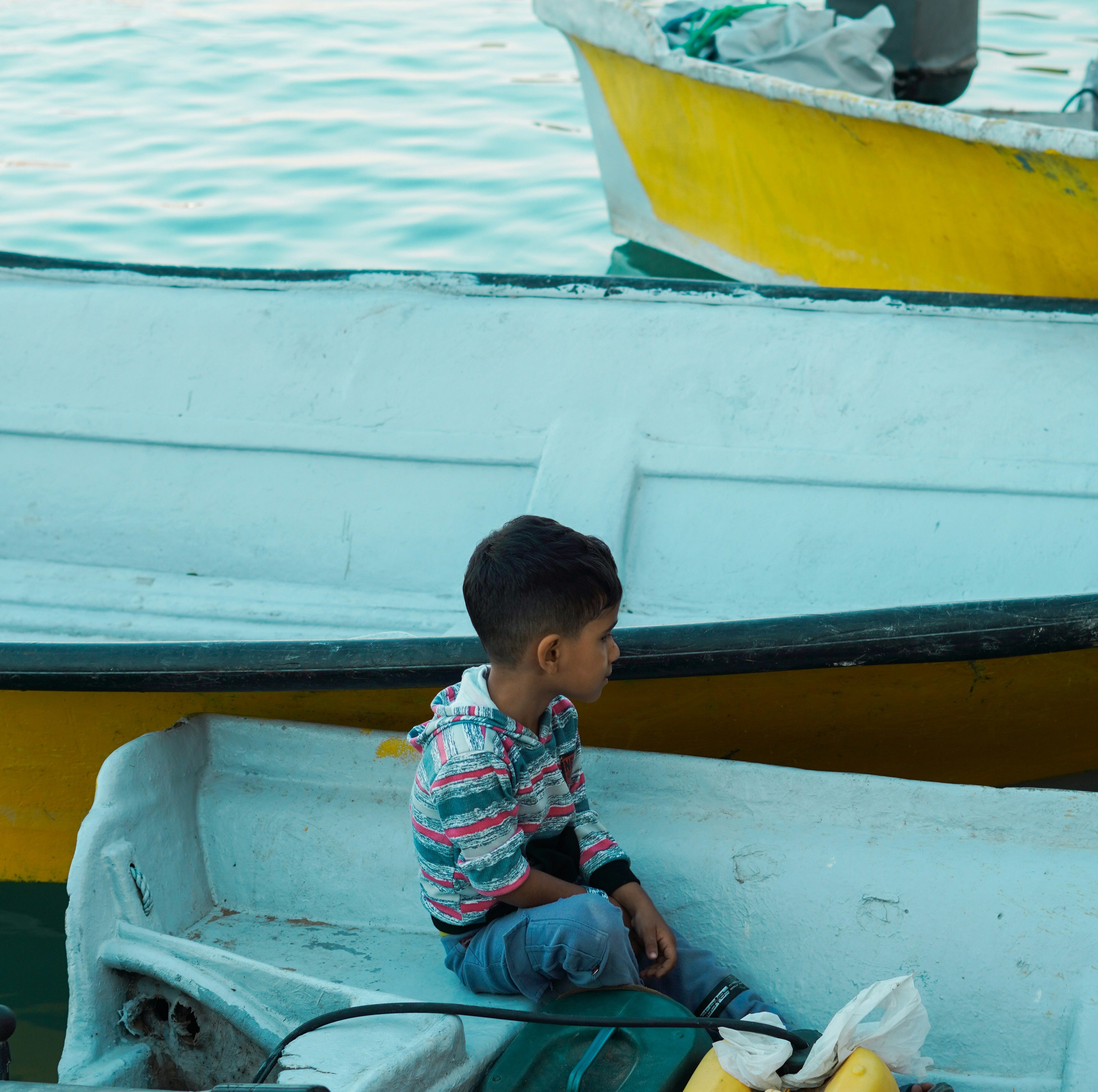
“So when tension rises and the sea becomes militarized, the first people who feel it are not oil companies or global markets,” said Tighsazzadeh. “It is the fishers in small boats whose safety and livelihood depend on calm waters.”
The war is a threat-multiplier to these communities already living with economic uncertainty, blistering climate change-fueled heat, and limited job opportunities outside the ocean. With conflict turning fishing routes into danger zones, Tighsazzadeh warned of fewer trips, unstable income, and intensified pressure on families already on the brink of survival.
More indirect impacts include the weakening of ocean governance when geopolitical tensions dominate decision-making. Monitoring becomes less consistent, scientific cooperation declines, and ecological concerns become an afterthought, a theme already unfolding in the U.S. under the Trump regime. Over time, Tighsazzadeh said this lack of governance can “quietly erode the resilience of marine habitats that support fisheries in both the Persian Gulf and the Gulf of Oman, where many migratory fish stocks move between ecosystems.”
As the war continues, researchers who grew up in the Middle East have expressed concerns about how the region’s marine ecosystem will fare in the long run. “Conflict doesn’t pause ecosystems,” Almassry said.
Legacy pollution from war, increased vessel traffic, and reduced environmental oversight jeopardizes coral habitats, mangroves and fish nurseries. The long-term effects tend to appear years later in the form of dwindling fish populations, and when that delayed ecological damage finally becomes apparent, coastal communities are hit the hardest.
“The mangrove forests along the Iranian coast, the coral systems in the Gulf of Oman, they are absorbing the chemical and acoustic footprint of this right now, quietly, with no press coverage,” Almassry said. “We have some record of what the 1991 Gulf War oil spills did to the [Persian] Gulf’s marine life. We are still reading those consequences.”
“This war will leave its own sediment.”

Figure of the week: 132 million
Up to 132 million more people than previously estimated are currently living in the path of rising seas, according to a new study published in the journal Nature. Researchers highlighted a 10-inch sea-level underestimate that hits the Indo-Pacific and Southeast Asia regions hardest. | Source: Nature
On my reading list:
Global sea levels have been underestimated due to poor modelling, research suggests, The Guardian
Wars Like Ukraine and Iran Are Pushing Countries To Rethink How They Get Their Energy, TIME
War in Iran Could Lead to Food Shortages in Region, Experts Warn, The New York Times
Southern Right Whales Are Having Fewer Calves; Scientists Say a Warming Ocean Is to Blame, Inside Climate News