


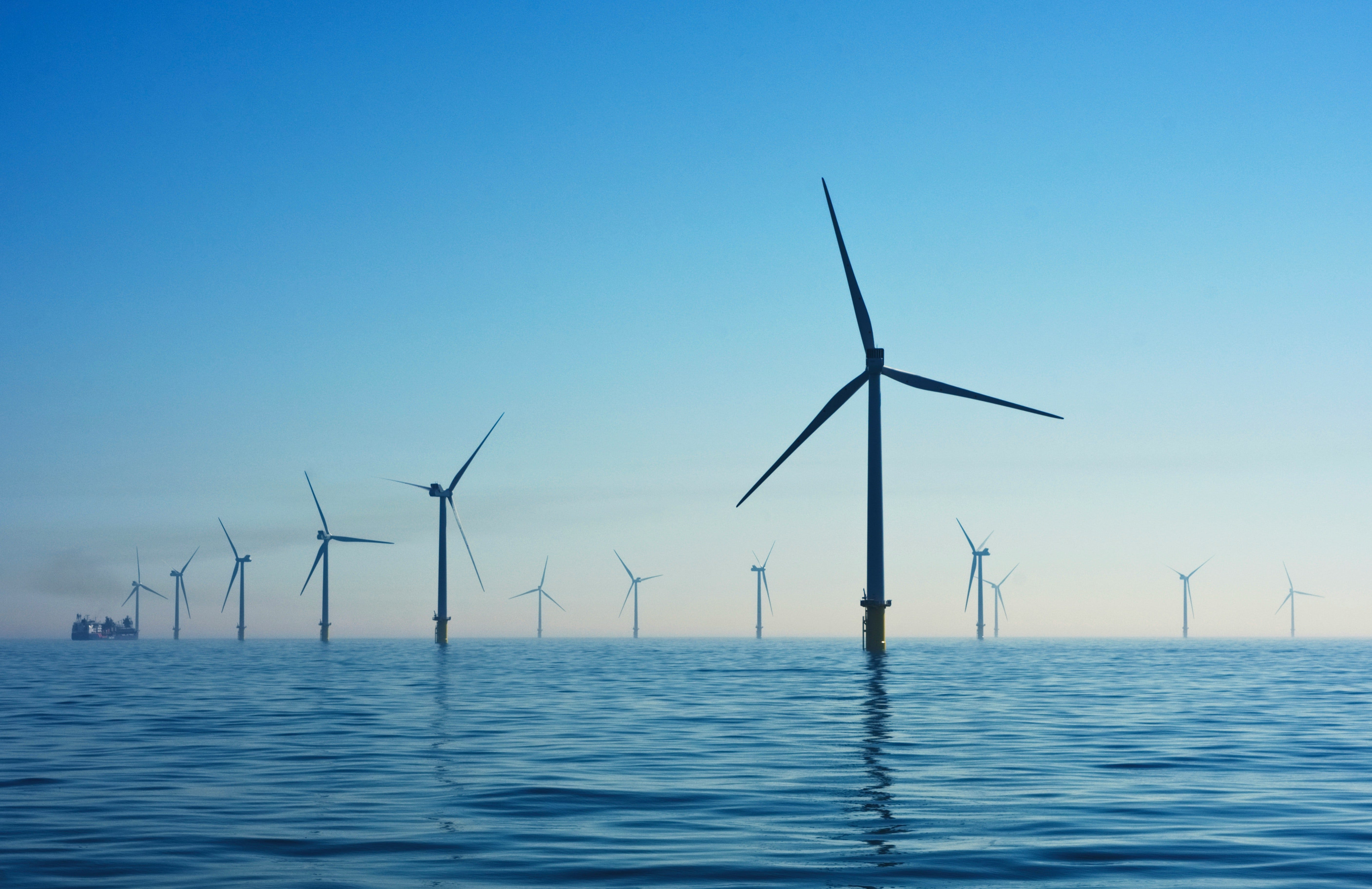
From high above the coastline, the data paints a picture of victory. Below, a protected stretch of ocean teems with recovering marine life, while a new renewable energy hub powers the coast. To the untrained eye, this is a double win for the planet: a strike against the climate crisis and a safeguard for biodiversity.
But as you zoom in, the reality on the ground tells a different story.
The newly built cluster of renewable energy actually sits directly atop ancestral fishing grounds, and the energy it generates powers a city miles away. Likewise, the areas in the ocean meant to conserve marine life has quietly painted local, Indigenous families as “trespassers” on the waters that have fed them for generations.
Two new studies suggest that current efforts to manage our oceans are missing the mark. By favoring wealthy regions and theoretical success, most data and global policies are often blind to human equity and the actual needs of local communities.
The first study, published in the journal Scientific Reports, highlights a massive missed opportunity for green energy. While coastlines in Oceania, South America, and Africa have some of the highest potential for new renewable energy projects, they receive almost zero investment. Instead, funding continues to pour into large-scale projects in regions that are already energy-rich.
“We have to make sure that this investment includes building industries in the places where people need the most support,” Andrés M. Cisneros-Montemayor, lead author of the study, assistant professor at Simon Fraser University, and deputy director of Ocean Nexus, told The Confluence.
The second paper, published in the journal Nature Communications Earth and Environment, found a troubling bias in how the success of Marine Protected Areas (MPAs), or ocean conservation zones, is measured. The research suggests that because many studies rely on second-hand theories and data rather than direct evidence, the ways these “protected” zones can accidentally harm the very people living near them — such as local communities losing their homes or being banned from fishing their own waters — are often ignored.
“All data is a result of choices,” Gerald S. Singh, lead author of the study, associate professor at the University of Victoria, and deputy science director at Ocean Nexus, told The Confluence. “When the choices made to create data are biased, bigger and more data does not rectify the problem but entrenches them,” noting that it “gives a sense of certainty around misleading findings.”
Singh’s research concluded that while marine protected areas can spark jobs and food security, they aren’t guaranteed. He said, in fact, these area-based conservation tools have “mixed effects” across almost every U.N. Sustainable Development Goals, the shared international roadmap to end poverty and protect the planet by 2030.
Researchers argue that policymakers shouldn’t just set a goal to protect just 30% of the planet and call it a day. Instead, they suggest tailoring solutions to the local context. Every community is different; what works for a high-end eco-tourism park in one country might cause starvation in a fishing village in another.
Governments and big NGOs spend billions of dollars on these protected areas, and if the data behind their social benefits is shaky, researchers say the money being funded to these projects may hurt the very people they claim to help.
The impacts can have ripple effects to the food on our plate. If a marine protected area is poorly designed, it can push local fishers out, potentially making seafood more expensive or less sustainable in the long run by disrupting local food systems.
Singh also said impacted local communities “should have a leadership role in defining what is monitored and measured.” If policies use blanket conservation rules that ignore their rights, it risks kicking people off their ancestral lands in the name of saving nature.
Meanwhile, Cisneros-Montemayor’s study critiques the current model of a blue economy, which often prioritizes wealth over health and equity. His research argues for a total flip in the decision-making process, centering “the people that have always had the least benefits and most costs,” he said.
For a coastal village in the Arctic or an island in the Pacific, being able to generate their own electricity from the wind or sun means they no longer have to wait for a ship to bring expensive fuel. It gives them independence and agency to shift to cleaner energy sources, as the world attempts to transition away from burning fossil fuels.
“We shouldn’t be making decisions that might have very local impacts using very not-local data,” Cisneros-Montemayor said. “Big data is a way to get a general sense of different dynamics, but people making policy choices have to take the time to consider local issues by listening to local people.”

Figure of the week: 20%
That’s how much of the world’s oil and liquified natural gas travel through the Strait of Hormuz, the most critical energy shipping route on the planet. Following joint U.S.-Israeli strikes on Iran on February 28, Iran declared the Strait of Hormuz closed. | Source: Wired

On my reading list
Can Nations Agree How to Mine the Sea? This Is the Year, She Says. The New York Times
Ocean Equity Index aims to measure justice at sea, Mongabay
Inside the historic effort to keep the Great Barrier Reef alive, Vox
Iran’s shadow fleet of old tankers a ticking bomb for sea life, say experts, The Guardian
The Colorado River is nearing collapse. It’s Trump’s problem now. Grist

Everyone supports MPAs and Offshore wind farm believing that they are doing good things. But we shall always be warned when good things are promised with spatial tools and new tech. These papers are just checking what are the cost (opportunity cost included) for those are often undermined. To add, we need to be aware that doing good (perhaps) is not necessarily a good enough reason to blindly believe in. Fanon points out that the colonialism was exercised through the notion of space and planning.
Enjoying these pieces Rachel! I see the Ocean Equity Index is on your reading list. If you are planning anything related to that, I would be happy to speak with you about it. There should also be something upcoming on Fathom about it with the Nexus.